Neurological Lyme Disease: Symptoms, Diagnosis, and Treatment
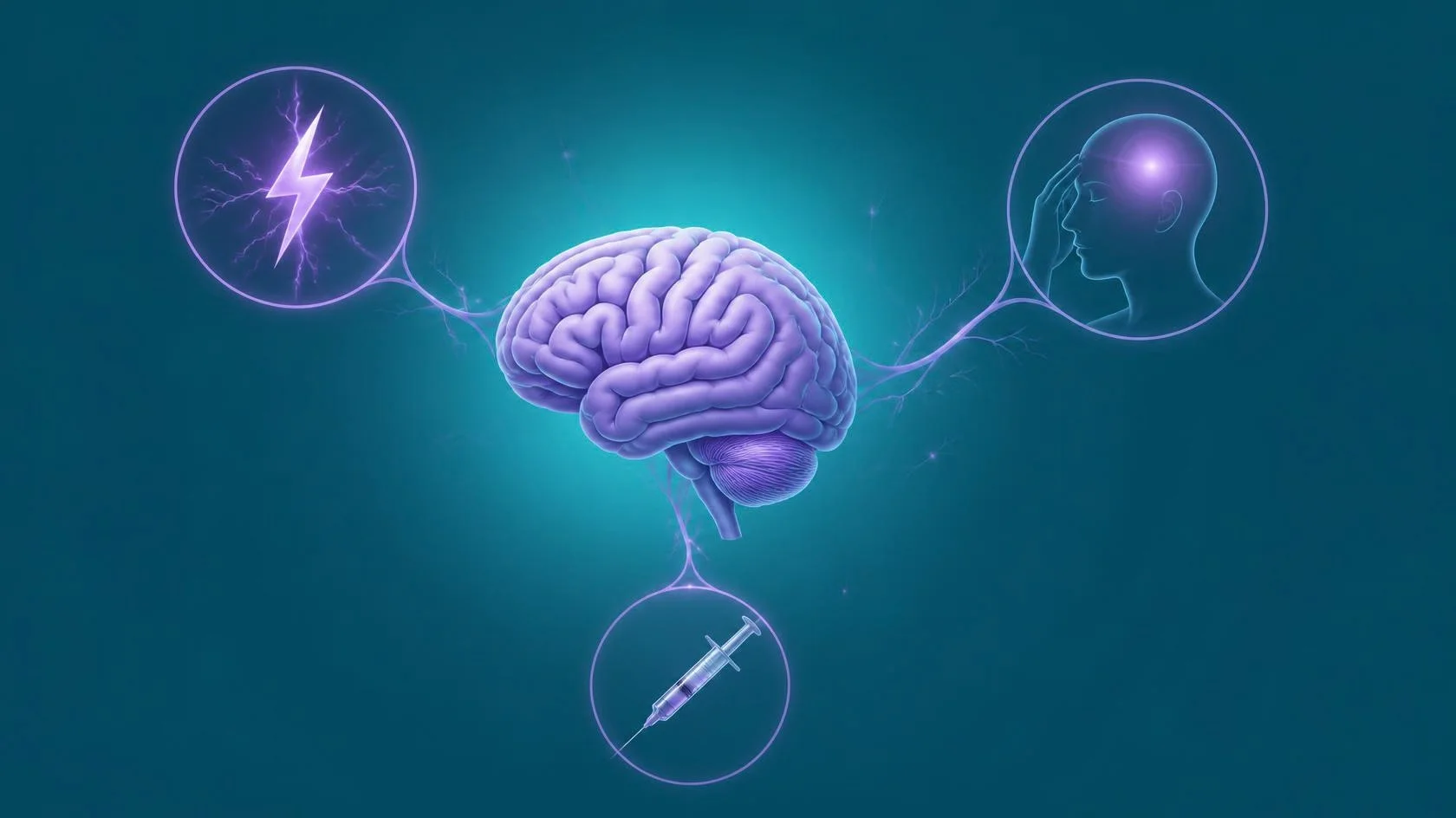
Lyme disease is commonly linked with exhaustion, fever, or joint aches but in case it involves the nervous system, the consequences may be much more complicated. Neurological Lyme disease is a disease associated with invasion of Borrelia burgdorferi, the bacteria that is passed to the brain, spinal cord or peripheral nerves upon tick bite.
It is important to identify the symptoms at their initial stages and to obtain the treatment early. The neurological complications may occur weeks or months after the initial infection and hence awareness and early diagnosis are vital in preventing the long-term damage.
Understanding Neurological Lyme Disease
What Is Lyme Disease?
Lyme disease is a bacterial disease that is caused by Borrelia burgdorferi and an illness that is transmitted by black legged ticks (or deer ticks). The bacteria can access the bloodstream once it bites a person and continues sticking longer than 36 hours.
Though the symptoms may be mild at first i.e. fatigue or a rash, the infection may spread to reach the nervous system and lead to neurological complications in the absence of treatment. This stage is known as neuroborreliosis.
How Lyme Disease Affects the Nervous System?

Once the bacteria gain entry into the nervous system, it can lead to inflammation of the central nervous system (CNS) and also the peripheral nervous system (PNS).
- CNS: may result in encephalitis or cognitive impairments, meningitis, encephalitis or cognitive impairments.
- PNS involvement: in the majority of the cases, it leads to numbness, tingling, and facial palsy.
These are effects that take place at different timings. At the first stages, mild neurological symptoms such as headache or nerve pains are observed. It can acquire cognitive changes, memory difficulties and neuropathy which happen, in some instances, months after initial infection.
Prevalence and Risk Factors
Neurological Lyme disease is more prevalent in places having high numbers of ticks- especially in the Northeastern, Mid-Atlantic and Upper Midwestern regions of the United States.
At risk persons are:
- External workers such as park rangers, farmers and landscapers.
- Campers and hikers
- The people living near grassy or forested areas.
One can be prone to some genes and a weakened immune system. Early management of ticks and their removal in good time can significantly reduce chances of getting involved in neurological complications.
Symptoms of Neurological Lyme Disease
Early Neurological Symptoms
At the early stages the nervous system can respond in an unobtrusive manner. The initial symptoms may include:
- Persistent headaches
- Weakness of muscles of face or Bell-palsy.
- Light sensitivity
- Pain or numbness in extremities.
- Difficulty focusing
The initial symptoms may be similar to the viral infections or migraine that is why correct diagnosis is essential.
Late or Hitchcocked Neurological Symptoms.
The infection may later develop into chronic or late-stage neurological Lyme disease should it not be treated. These symptoms are normally worse and prolonged
- Memory loss or confusion
- Difficulty concentrating
- Peripheral neuropathy (shooting, tingling, or burning pain)
- Sleep disturbances
- Among others mood swings, anxiety, or depression.
- Weakness or problems in the coordination of muscle.
Trick: The symptoms of neuro-chronicity may last even after a course of antibiotics, as a Post-Treatment Lyme Disease Syndrome (PTLDS).
Cognitive, Motor, and Sensory Manifestations
Neurological Lyme disease can affect thinking, movement, and sensation simultaneously.
| Type | Common Symptoms | Impact |
| Cognitive | Brain fog, confusion, short-term memory loss | Affects learning and daily activities |
| Motor | Weakness, tremors, impaired coordination | Reduces mobility and fine motor control |
| Sensory | Numbness, tingling, burning pain | Causes discomfort and sensory loss |
Recognizing these manifestations early allows neurologists to tailor treatment before symptoms worsen.
Neurological Effects of Lyme Disease
Central Nervous System (CNS) effects.
Since Borrelia bacteria enter the CNS, they may do the following:
- Meningitis is a disease that develops as a result of inflammation of the membranes that cover the brain and the spinal cord.
- Inflammation of the brain may result in headaches, seizures, or change of personality, a condition called Encephalitis.
- Cranial neuropathy is a condition of the damage of the cranial nerves, mostly the facial nerve.
- These situations may complicate even the uncomplicated activities, such as reading or speaking.
Effects on the Peripheral Nervous System.
Peripheral nerves are sensory nerves and motor nerves. Lyme disease may cause damage to the peripheral nervous system (PNS) causing:
- Radiculopathy is an ailment where acute pain spreads out along the spinal cord to the extremities.
- Peripheral neuropathy: Deadness, insensibility, or weakness.
These symptoms tend to be similar to those of diabetes or herniated disk and it might prove hard to make the accurate diagnosis.
Long Term risks and complications.
Even after the mediation of the immune responses or inflammation persists, some patients have still developed neurological problems after treatment.
Post-Treatment Lyme Disease Syndrome (PTLDS): The best accepted one is Post-Treatment Lyme Disease Syndrome (PTLDS) where the fatigue, pain and cognitive dysfunctions are still noticed months after the treatment. Regular monitoring as well as neurological follow-ups should help to control such long-term effects.
Diagnosis of the Neurologic Lyme Disease.
Clinical Assessment
The diagnosis begins with an elaborate clinical history and a neurological examination. Doctors evaluate:
- History of tick bites or rash.
- Symptoms and their pattern Onset.
- Neurological symptoms such as the alteration of reflexes, coordination, and weakness of the face.
- History-taking is accurate to be able to distinguish between Lyme disease and other neurological disorders.
Imaging and laboratory Tests.
The diagnosis is verified with the help of certain tests:
- ELISA and Western blot analysis: identify antibodies to Borrelia.
- Analysis of cerebrospinal fluid (CSF): examinations of inflammation on the basis of infection.
- MRI or CT scans: can demonstrate abnormalities of the brain or the spinal cord.
The tests are used to determine the presence of symptoms because of active infection or residual inflammation.
Differential Diagnosis
A number of conditions imitate neurological Lyme disease, which include:
- Multiple sclerosis (MS)
- Guillain-Barré syndrome
- Viral meningitis
- Peripheral neuropathies
History, physical examination, and laboratory findings are combined to prove a Lyme diagnosis and eliminate these related disorders by neurologists.
Treatment and Management
Antibiotic Therapy
Antibiotics are still the key to treatment.
- Cases that are mild are treated with oral antibiotics (such as doxycycline).
- Severe CNS involvement is treated with the intravenous antibiotics (e.g. ceftriaxone).
The therapy normally takes 2-4 weeks, but these can be prolonged. Its purpose is to eliminate the bacteria and avoid additional damage to the nerves.
Symptom Management
Encouraging therapy is crucial to the healing process:
- Pain treatment: drugs to relieve nerve pain or pains in the muscles.
- Thought support: exercises and memory training.
- Physical therapy: restores the strength and coordination.
- Mental health care: counseling/ support groups dealing with chronic syntomatic.
Follow-Up and Recovery
Recovery timelines vary. There are those patients who can improve in weeks but others require months of progressive therapy.
The frequent follow-ups will help in early identification of any recurrence of symptoms. Engagement in the treatment plan enhances its outcomes and quality of life.
Neurologic Lyme Disease Risk Factor.
High-Risk Groups
Some of them are at higher risk of developing neurological complications:
- Patients of the late or missed diagnosis.
- Individuals that have auto immune conditions or have a weakened immune system.
- The residents of tick-infested areas.
- The preventive measures are best done through awareness and early testing following a tick bite.
Preventive Measures
Prevention as the bite of the ticks can significantly reduce it:
- Put on long sleeves, pants in the woods or on the grass.
- Insect repellents with DEET should be used.
- Check ticks after outdoor activities daily.
- Consult a doctor immediately in case of having a rash or symptoms of flu.
- An early diagnosed and treated with antibiotics can greatly decrease the possibility of nervous involvement.
Patient Experiences and Support
Stories from Patients
Nurological Lyme disease is an invisible battle, according to many patients. Some of them recover completely after therapy, and some experience chronic recovery.
Exchange of experiences assists the patients to be aware of the symptoms early and champion adequate neurological support.
Neurology Care Center
If you or a loved one experience persistent neurological symptoms after a tick bite, don’t ignore them. Early evaluation can prevent lasting complications.
Schedule a consultation today with the specialists at Neurology Care Center for expert diagnosis, personalized treatment, and compassionate care.